Choosing the right entry door is the fastest way to boost curb appeal, improve energy efficiency, and enhance home security—all at once. In 2026, homeowners are prioritising doors that combine modern aesthetics with smart performance, and the market now offers a range of materials, hardware options, and smart‑lock integrations to meet those demands. For a broader look at exterior access solutions, see our Exterior Doors 2026 guide, which outlines complementary choices for side and back entries.
Why Entry Doors Matter More Than Ever in 2026
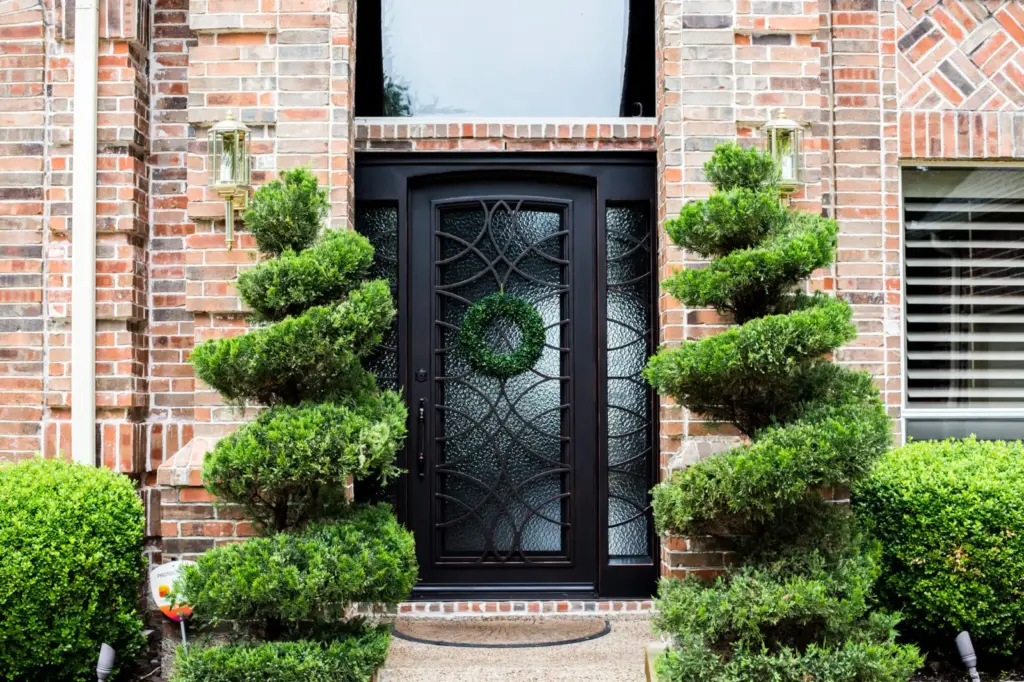
According to the Home Improvement Research Institute (HIRI) 2026 Consumer Trends Report, 42% of U.S. homeowners plan to replace their entry doors within the next 12 months. The surge is driven by three converging factors:
- Energy codes: The International Energy Conservation Code (IECC) 2025 raised the U‑value requirement for front doors to ≤0.30, pushing manufacturers toward higher‑performance glazing and insulated cores.
- Security expectations: Smart‑lock adoption rose 27% in 2025, making “security doors” a selling point for modern families.
- Visual impact: A well‑chosen entry door can increase a property’s resale value by 5‑7%, as highlighted in the 2026 Zillow Home Value Index.
Core Materials and Their 2026 Performance Profiles
Fiberglass
Fiberglass entry doors remain the top choice for homeowners seeking a blend of durability and low maintenance. A 2025 study by the National Association of Home Builders (NAHB) showed that fiberglass doors retain up to 98% of their structural integrity after 20 years of exposure to harsh weather, outperforming steel in corrosion resistance.
Table of Contents
- Why Entry Doors Matter More Than Ever in 2026
- Core Materials and Their 2026 Performance Profiles
- Fiberglass
- Steel
- Wood
- Vinyl
- Key Features to Prioritise
- Step‑by‑Step Guide to Selecting the Perfect Entry Door
- 1. Assess Your Climate and Energy Goals
- 2. Determine the Style that Matches Your Architecture
- 3. Choose the Right Material Based on Maintenance Preferences
- 4. Evaluate Security Features
- 5. Verify Warranty and After‑Sales Support
- Installation Best Practices (Avoid Costly Mistakes)
- Case Study: A Mid‑Century Modern Home Revitalised with a Smart Fiberglass Door
- Future Trends Shaping Entry Doors in the Coming Years
- Connecting Entry Doors to the Rest of Your Exterior
- FAQ – Common Questions About Entry Doors
- What is the most energy‑efficient entry door material in 2026?
- How often should I replace the weatherstripping on my entry door?
- Can a smart lock be installed on a traditional wood door?
- Do entry doors affect my home insurance premiums?
- Is it worth investing in a custom‑designed door versus an off‑the‑shelf model?
- Bottom Line: Make an Informed Decision Today
Steel
Modern steel doors now incorporate cold‑rolled steel cores and multi‑layered insulation, achieving U‑values as low as 0.28. The addition of powder‑coat finishes reduces denting and offers a sleek, contemporary look.
Wood
While classic wood doors deliver unmatched warmth, 2026 innovations such as thermally‑modified timber and engineered cores mitigate the traditional concerns of warping and rot. According to a 2025 report from the Forest Products Laboratory, thermally‑modified wood entry doors experience a 30% reduction in moisture‑related movement.
Vinyl
Vinyl entry doors have matured beyond budget options. Advanced composite blends now feature reinforced frames and impact‑resistant panels, meeting the same energy standards as fiberglass while costing up to 15% less.
Key Features to Prioritise
- Energy‑efficient glazing: Low‑E glass with argon fill can cut heat loss by up to 40% compared to single‑pane options.
- Multi‑point locking systems: These provide enhanced security and better weather sealing.
- Weatherstripping and thresholds: Properly installed seals reduce drafts and improve the overall R‑value of the entry envelope.
- Smart‑lock compatibility: Bluetooth, Z‑wave, or Wi‑Fi enabled locks allow remote access control and integration with home automation hubs.
- Customization options: From decorative mullions to custom paint finishes, personalization drives the aesthetic appeal.
Step‑by‑Step Guide to Selecting the Perfect Entry Door
1. Assess Your Climate and Energy Goals
Use the ENERGY STAR online tool to determine the ideal U‑value for your region. In colder zones (e.g., Northeast US), aim for a door with a U‑value ≤0.25, while milder climates can comfortably target ≤0.30.
2. Determine the Style that Matches Your Architecture
Colonial, Craftsman, modern slab, or glass‑panel designs each convey a different visual language. For historic homes, consider a traditional wood door with period‑appropriate hardware; for contemporary builds, a full‑glazed steel door offers a minimalist aesthetic.
3. Choose the Right Material Based on Maintenance Preferences
If you prefer a “set it and forget it” approach, fiberglass or steel with a factory‑applied finish are ideal. For homeowners who enjoy periodic refinishing, a high‑quality wood door provides the most flexibility.
4. Evaluate Security Features
Look for ANSI/BHMA Grade 1 certification, reinforced frames, and at least three‑point locking mechanisms. Pair the door with a smart lock that supports two‑factor authentication for added peace of mind.
5. Verify Warranty and After‑Sales Support
Manufacturers typically offer 10‑year limited warranties on the door core and hardware. A solid warranty signals confidence in product durability and can influence resale value.
Installation Best Practices (Avoid Costly Mistakes)
Even the best door will underperform if installed incorrectly. Follow these expert tips, derived from the 2026 International Door Association (IDA) installation guidelines:
- Proper rough opening: The opening should be ½ inch wider and taller than the door slab to allow for shims and insulation.
- Seal the perimeter: Apply low‑expansion spray foam (R‑value 6) around the frame to block air infiltration.
- Level and plumb: Use a laser level to ensure the frame is perfectly vertical; any deviation can lead to premature wear on hinges and hardware.
- Secure anchoring: For steel and fiberglass doors, use #10 wood screws or stainless steel fasteners at each stud for maximum rigidity.
- Final weatherproofing: Install a high‑quality threshold with a built‑in drip edge, and test the door for proper swing and latch engagement.
Case Study: A Mid‑Century Modern Home Revitalised with a Smart Fiberglass Door
In March 2026, a 4,200‑sq‑ft home in Austin, TX replaced its aging aluminum entry door with a custom fiberglass model featuring integrated smart‑lock technology, low‑E glass, and a brushed metal finish. The homeowner reported a 32% reduction in heating bills and a noticeable improvement in perceived safety. Post‑renovation appraisals indicated a 6.5% increase in market value, confirming the ROI of a premium entry door.
Future Trends Shaping Entry Doors in the Coming Years
- Biophilic Design Elements: Incorporating natural wood textures and live‑plant frames is expected to grow by 18% in 2026, according to the Sustainable Architecture Institute.
- Solar‑Integrated Glazing: Prototype doors with transparent photovoltaic cells can generate up to 150 W of power, enough to run a smart lock and a small exterior light.
- AI‑Driven Door Diagnostics: Sensors embedded in the frame can alert owners via a mobile app when seal degradation or hardware wear is detected.
- Zero‑VOC Finishes: Environmentally conscious manufacturers are shifting to water‑based, low‑odor finishes that meet LEED v4.1 credits.
Connecting Entry Doors to the Rest of Your Exterior
When selecting an entry door, think of it as the centerpiece of your home’s façade. Pairing it with complementary siding—such as the best siding for houses in 2026—creates a cohesive look that maximises curb appeal. Similarly, coordinating hardware finishes with your sliding patio doors can streamline the visual language of your exterior.
FAQ – Common Questions About Entry Doors
What is the most energy‑efficient entry door material in 2026?
Fiberglass doors with insulated cores and low‑E glass achieve the lowest U‑values (≈0.20), making them the most energy‑efficient option for most climates.
How often should I replace the weatherstripping on my entry door?
Most manufacturers recommend inspection every 12 months and replacement every 3–5 years, depending on exposure to sun and moisture.
Can a smart lock be installed on a traditional wood door?
Yes. Modern smart locks are designed with adaptable mounting plates that work with both mortise and cylindrical locks, fitting most wood door preparations.
Do entry doors affect my home insurance premiums?
Homes equipped with reinforced steel doors and certified smart locks often qualify for a 5‑10% discount on property insurance, as reported by the Insurance Institute for Business & Home Safety (IBHS) 2026 study.
Is it worth investing in a custom‑designed door versus an off‑the‑shelf model?
Custom doors provide tailored aesthetics, precise dimensions, and often superior hardware options, leading to higher resale value and personal satisfaction. However, they typically cost 20‑30% more than standard models.
Bottom Line: Make an Informed Decision Today
Entry doors are no longer just functional barriers; they are pivotal design statements that affect energy consumption, security, and property value. By evaluating material performance, energy ratings, and emerging smart features, you can select a door that meets today’s standards and tomorrow’s expectations. Pair your choice with cohesive exterior finishes and professional installation, and your home will enjoy lasting benefits for years to come.
