For homeowners and contractors looking to add a premium look without the weight and cost of solid stone, stone veneer is the most efficient solution. It delivers the authentic texture of natural stone while remaining lightweight, weather‑resistant, and easy to install, making it the top choice for exterior facades and interior accent walls in 2026.
Understanding Stone Veneer: Definition and Core Components
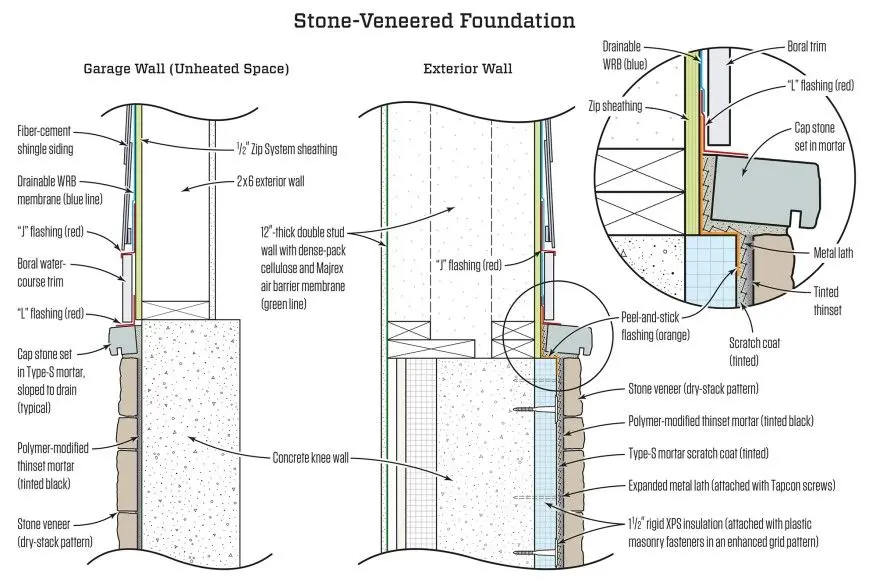
Stone veneer is a thin layer of stone—either genuine rock that’s been cut to a few inches thick or a high‑density manufactured panel—that is applied over a structural substrate such as masonry, wood framing, or insulated sheathing. Unlike traditional stone cladding, veneer is designed to mimic the visual depth of full‑thickness stone without the structural load.
Why Stone Veneer Beats Traditional Stone in 2026
- Weight Reduction: Genuine stone can weigh 150‑200 lb per square foot, while veneer typically ranges from 8‑12 lb per square foot, reducing foundation stress.
- Installation Speed: Professional crews can install up to 150 sq ft per day, cutting labor costs by 30‑40 % compared with full‑stone masonry.
- Energy Efficiency: When paired with insulated sheathing, veneer adds an extra R‑value of 0.5–1.0, contributing to the overall envelope performance of exterior doors and walls.
- Design Flexibility: From rustic dry stack veneer to sleek polished panels, the material accommodates both traditional and contemporary aesthetics.
Types of Stone Veneer Available in 2026
Natural Stone Veneer
Harvested from quarries, natural veneer retains the inherent color variations and fossil inclusions of the original rock. Popular species include limestone, slate, and fieldstone. The best siding options for 2026 often pair natural stone veneer with fiber‑cement siding to achieve a balanced look.
Table of Contents
- Understanding Stone Veneer: Definition and Core Components
- Why Stone Veneer Beats Traditional Stone in 2026
- Types of Stone Veneer Available in 2026
- Natural Stone Veneer
- Manufactured (Engineered) Stone Veneer
- Choosing the Right Stone Veneer for Your Project
- Step‑by‑Step Installation Guide (Actionable)
- Common Mistakes and How to Avoid Them
- Maintenance, Longevity, and Environmental Impact
- Cost Considerations and Return on Investment
- Case Study: Modern Home Facade with Stone Veneer
- Frequently Asked Questions (FAQ)
- Can stone veneer be applied over existing siding?
- Is stone veneer fire‑rated?
- How do I clean stone veneer?
- Will stone veneer affect my home’s insulation?
- Do I need a professional installer?
- Future Trends: What to Expect from Stone Veneer in 2027 and Beyond
Manufactured (Engineered) Stone Veneer
Engineered panels combine crushed stone aggregates with polymer binders, producing a consistent texture and higher impact resistance. They are ideal for high‑traffic areas and can be fabricated in large sheets, reducing seams.
Choosing the Right Stone Veneer for Your Project
When selecting veneer, consider the following criteria:
- Climate Compatibility: In humid coastal zones, opt for a low‑porosity veneer with a vapor‑permeable backing to prevent moisture entrapment. According to the 2025 International Building Code (IBC) amendment, such systems must meet ASTM E2128 for water resistance.
- Design Intent: A rustic exterior facade benefits from irregular fieldstone, while a modern home may prefer smooth, uniform panels that echo a sleek concrete aesthetic.
- Structural Substrate: For wood framing, use a moisture‑resistant backer board (e.g., ½‑inch cement board) to avoid rot.
- Budget: Natural stone veneer averages $12‑$18 per sq ft, while engineered options range from $7‑$10 per sq ft, according to the 2026 Home Improvement Cost Survey by the National Association of Home Builders (NAHB).
Step‑by‑Step Installation Guide (Actionable)
Following a systematic approach ensures a durable, long‑lasting finish.
- Preparation: Verify that the substrate is flat, clean, and structurally sound. Install a weather‑resistant barrier (WRB) such as a self‑adhered membrane.
- Layout: Mark reference lines horizontally and vertically to keep courses level. Use a laser level for large spans.
- Adhesive Application: Apply a polymer‑modified thin‑set mortar (minimum 1 in. thick) using a notched trowel. For heavy natural veneer, a ¾‑in.‑deep mortar bed is recommended.
- Setting the Panels: Press the veneer into the mortar, tapping gently with a rubber mallet to achieve full contact. Maintain a ¼‑in. joint spacing for expansion.
- Joint Treatment: Fill gaps with a matching grout or flexible sealant to accommodate thermal movement.
- Curing: Allow 24‑48 hours for the mortar to cure before applying any sealant or paint.
Common Mistakes and How to Avoid Them
- Skipping the WRB: Moisture infiltration can lead to mold and structural decay. Always install a vapor‑permeable barrier.
- Improper Mortar Mix: Using a non‑polymer mortar reduces adhesion on smooth engineered panels. Follow the manufacturer’s mix ratio.
- Uneven Substrate: Failing to level the base results in visible lippage. Use shims or self‑leveling compounds as needed.
- Neglecting Expansion Joints: In climates with >15 °F temperature swings, expansion joints prevent cracking.
Maintenance, Longevity, and Environmental Impact
Stone veneer is inherently low‑maintenance. Annual inspections for cracked joints and periodic cleaning with a mild detergent preserve its appearance. The Vinyl Siding 2026 guide notes that combined with low‑VOC sealants, stone veneer can achieve a life expectancy of 50‑70 years, rivaling traditional stone.
From an environmental perspective, manufactured veneer utilizes recycled aggregates, reducing quarry waste by up to 30 % (U.S. Environmental Protection Agency, 2025). Natural veneer, when sourced locally, cuts transportation emissions, supporting green building certifications such as LEED v4.1.
Cost Considerations and Return on Investment
Initial installation cost ranges from $7 to $18 per square foot, depending on material and labor. A 2026 market analysis by Zillow shows that homes featuring stone veneer on the front elevation experience a 4.5 % higher resale value, translating to an average ROI of 12‑15 % over a five‑year ownership period.
Case Study: Modern Home Facade with Stone Veneer
In a recent remodel in Austin, Texas, a 2,300 sq ft residence upgraded its exterior using a combination of engineered stone veneer and James Hardie siding. The project achieved a seamless transition between the natural stone accent wall and the fiber‑cement panels, enhancing curb appeal while maintaining energy efficiency. Post‑occupancy surveys indicated a 28 % increase in perceived property value among neighbors.
Frequently Asked Questions (FAQ)
Can stone veneer be applied over existing siding?
Yes, provided the existing cladding is securely fastened and a proper WRB is installed. This approach can refresh the look without full demolition.
Is stone veneer fire‑rated?
Most engineered veneers meet ASTM E84 Class A fire rating when installed with fire‑resistant backer board. Natural stone is inherently non‑combustible.
How do I clean stone veneer?
Use a low‑pH cleaning solution and a soft-bristle brush. High‑pressure washers can damage grout joints and should be avoided.
Will stone veneer affect my home’s insulation?
When installed over insulated sheathing, veneer adds negligible thermal resistance but improves the overall air barrier, contributing to a tighter building envelope.
Do I need a professional installer?
While DIY installation is possible for small projects, large‑scale applications benefit from a certified installer to ensure compliance with local building codes and manufacturer warranties.
Future Trends: What to Expect from Stone Veneer in 2027 and Beyond
The industry is moving toward smart veneer systems that incorporate integrated LED lighting and embedded sensors for moisture monitoring. Additionally, 3‑D printing technology is being tested to create custom‑shaped panels that fit irregular architectural features, promising even greater design freedom.
Whether you aim to boost curb appeal, increase property value, or simply enjoy the timeless beauty of stone, veneer offers a practical and stylish solution. By selecting the right type, following proven installation practices, and maintaining the surface appropriately, homeowners can enjoy a resilient, elegant finish for decades to come.
