Choosing the right siding for a house is the single most effective step to boost curb appeal, energy efficiency, and long‑term durability while keeping maintenance costs low. Modern homeowners are looking for materials that combine weather‑resistant performance with aesthetic flexibility, and the market in 2026 offers a clear hierarchy of options—from engineered vinyl to fiber‑cement panels. Understanding how each type behaves under regional climates, budget constraints, and design goals will ensure you select a solution that protects the structure and adds value for years to come. For an in‑depth look at fiber‑cement performance, see our James Hardie siding guide which breaks down installation nuances and future‑proofing benefits.
Why Siding Matters: Core Benefits and Decision Drivers
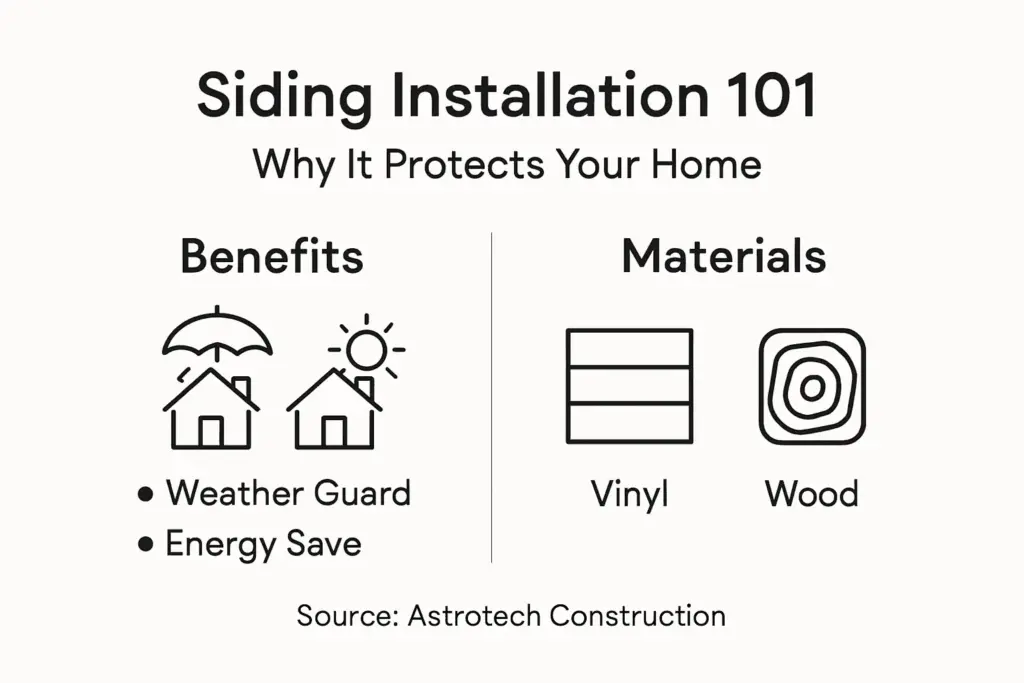
Exterior cladding does more than just wrap a building; it acts as the first line of defense against moisture, wind, and UV radiation. In addition, high‑quality siding contributes to home insulation, reducing heating and cooling loads by up to 15% according to the U.S. Department of Energy’s 2025 Residential Energy Survey. The following factors should dominate your decision process:
- Climate compatibility: Coastal regions demand corrosion‑resistant finishes, while arid zones benefit from materials that can handle thermal expansion.
- Budget and ROI: Upfront material cost versus lifecycle cost, including maintenance and resale value.
- Maintenance requirements: Frequency of repainting, sealing, or cleaning.
- Aesthetic flexibility: Color palettes, texture options, and architectural styles.
- Sustainability: Recycled content, VOC emissions, and end‑of‑life recyclability.
Top Siding Materials in 2026: Comparative Overview
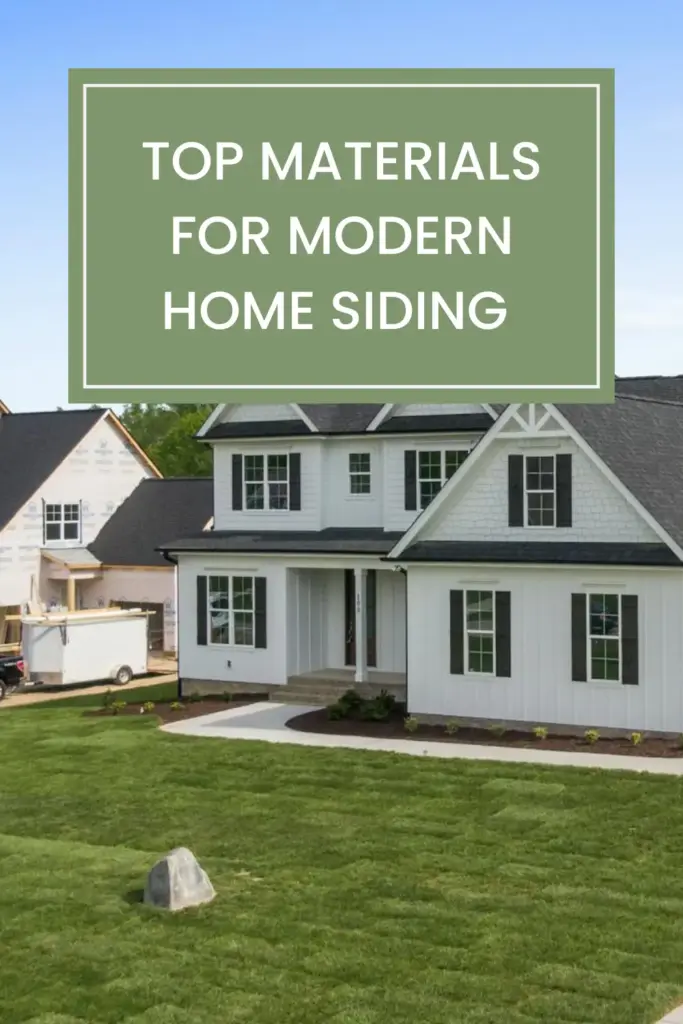
Fiber‑Cement Siding (e.g., James Hardie, Hardie Board)
Fiber‑cement combines cement, sand, and cellulose fibers, delivering a product that mimics wood grain without the susceptibility to rot. The 2025 NAHB Housing Market Survey reported that 42% of new single‑family homes used fiber‑cement siding, citing its fire‑rating of Class A and resistance to termites. Installation requires precise cutting tools and may involve a moisture barrier, but the material’s lifespan often exceeds 50 years with minimal upkeep.
Table of Contents
- Why Siding Matters: Core Benefits and Decision Drivers
- Top Siding Materials in 2026: Comparative Overview
- Fiber‑Cement Siding (e.g., James Hardie, Hardie Board)
- Vinyl Siding
- Engineered Wood Siding
- Metal Siding (Aluminum & Steel)
- Step‑by‑Step Guide to Selecting the Ideal Siding
- Common Mistakes and How to Avoid Them
- Real‑World Case Study: A Mid‑Size Suburban Renovation
- Future Trends Shaping Siding Choices in 2026 and Beyond
- Frequently Asked Questions
- What is the best siding for high‑humidity regions?
- Can I install siding myself, or should I hire a professional?
- How does siding affect my home’s resale value?
- Is insulated siding worth the extra cost?
- What maintenance schedule should I follow?
- Conclusion: Making an Informed Siding Choice
For detailed installation steps, refer to our Hardie Board siding ultimate guide.
Vinyl Siding
Vinyl remains the most cost‑effective option, with average pricing of $3‑$5 per square foot installed, according to a 2026 report from the Home Improvement Research Institute (HIRI). Modern formulations feature UV‑stabilizers and insulated cores, improving energy performance by up to 8% compared to older versions. While vinyl resists rot and pests, it can become brittle in extreme cold, leading to cracking if not properly installed.
Our comprehensive Vinyl siding 2026 guide walks through color retention strategies and warranty considerations.
Engineered Wood Siding
Engineered wood offers the natural look of timber with a protective polymer coating that shields against moisture. The material is lighter than solid wood, simplifying installation on existing frames. However, it requires regular resealing every 5‑7 years in high‑humidity zones to prevent delamination—a maintenance schedule highlighted by the American Wood Council’s 2025 maintenance bulletin.
Metal Siding (Aluminum & Steel)
Metal panels are prized for their sleek, modern aesthetic and exceptional durability. Galvanized steel, for instance, resists impact and can be painted with low‑VOC coatings that meet LEED requirements. The downside is the potential for denting and higher upfront costs—averaging $7‑$9 per square foot. In regions prone to hail, adding a protective underlayment can mitigate damage.
Step‑by‑Step Guide to Selecting the Ideal Siding
- Assess Climate and Exposure – Use the NOAA climate zone map to identify wind, rain, and temperature extremes for your location. Coastal homes often benefit from fiber‑cement or metal, while interior‑climate regions may comfortably use vinyl.
- Define Budget Parameters – Calculate total cost of ownership (TCO) by adding material price, labor, and projected maintenance over a 20‑year horizon. Tools such as the Remodeling Magazine Cost vs. Value report 2026 provide benchmark figures.
- Consider Energy Efficiency Goals – If reducing utility bills is a priority, select insulated vinyl or add a continuous exterior insulation system (CEIS) behind fiber‑cement panels. The EPA’s ENERGY STAR program lists eligible siding products for 2026.
- Choose Aesthetic Style – Match siding texture to architectural language—lap siding for traditional homes, board‑and‑batten for farmhouse, or vertical panels for contemporary designs.
- Check Local Building Codes – Some municipalities require fire‑rated siding (Class A) in wildfire zones; confirm compliance before purchase.
Common Mistakes and How to Avoid Them
Even seasoned contractors can fall into pitfalls that compromise performance.
- Skipping the Weather‑Resistant Barrier (WRB): Omitting a WRB such as house wrap can lead to moisture intrusion, especially with fiber‑cement installations.
- Improper Fastening: Using nails that are too short or spacing them too far apart reduces wind uplift resistance. The International Residential Code (IRC) 2025 recommends a minimum of 1‑inch penetration into studs.
- Neglecting Expansion Gaps: All sidings expand and contract; failure to leave appropriate gaps results in buckling, a common issue with vinyl in hot climates.
- Underestimating Trim Costs: Trim and flashing represent up to 15% of total project cost—budget accordingly to avoid cheap, water‑infiltration‑prone solutions.
Real‑World Case Study: A Mid‑Size Suburban Renovation
Homeowner Sarah Miller in Austin, Texas replaced her aging cedar clapboards with a hybrid solution: insulated vinyl on the front elevation and fiber‑cement on the rear, where the yard receives heavy afternoon sun. The project, documented by the Texas Home Builders Association in 2025, cut her annual HVAC energy consumption by 12% and increased her resale appraisal by $15,000.
During the installation, the crew coordinated the siding upgrade with new exterior doors, ensuring a seamless transition between the door frame and siding, which eliminated thermal bridging.
Future Trends Shaping Siding Choices in 2026 and Beyond
Technology and sustainability are redefining exterior cladding. Look out for these emerging developments:
- Smart Siding Systems: Integrated sensors that monitor moisture levels and temperature, transmitting data to homeowners’ smartphones.
- Bio‑Based Composite Materials: Panels made from agricultural waste combined with recycled plastics, offering carbon‑negative footprints.
- 3‑D Printed Custom Panels: Allowing hyper‑personalized textures without the cost of custom molds.
- Advanced Coatings: Self‑cleaning nanocoatings that repel dirt and reduce the need for power washing.
Staying ahead of these trends can future‑proof your investment and align your property with green building standards.
Frequently Asked Questions
What is the best siding for high‑humidity regions?
Fiber‑cement or metal siding provides superior moisture resistance and durability in humid climates. Pair them with a high‑quality WRB to prevent mold growth.
Can I install siding myself, or should I hire a professional?
DIY installation is feasible for vinyl and engineered wood if you have basic carpentry skills. However, fiber‑cement and metal often require specialized tools and precise flashing techniques, making professional installation advisable.
How does siding affect my home’s resale value?
According to the National Association of Realtors 2026 Home Resale Index, homes with updated siding see an average price increase of 5‑7% compared to those with original or deteriorated cladding.
Is insulated siding worth the extra cost?
Insulated vinyl and fiber‑cement with added CEIS can reduce heating and cooling expenses by up to 10%, delivering payback within 7‑10 years in most climates.
What maintenance schedule should I follow?
Vinyl requires occasional power washing; fiber‑cement needs repainting every 10‑15 years; metal should be inspected for dents and repainted as needed; engineered wood benefits from resealing every 5‑7 years.
Conclusion: Making an Informed Siding Choice
Investing in the right siding for a house is a strategic decision that blends aesthetics, performance, and long‑term cost savings. By evaluating climate demands, budget constraints, energy goals, and emerging material technologies, homeowners can select a cladding system that not only protects their investment but also enhances market appeal. Whether you gravitate toward the timeless durability of fiber‑cement, the affordability of vinyl, or the sleek modernity of metal, the key lies in proper installation and ongoing maintenance.
Ready to start your siding project? Explore our detailed guides on sliding patio doors and James Hardie siding for complementary design ideas that will harmonize your exterior upgrades.
