For homeowners seeking an effortless blend of indoor comfort and outdoor scenery, installing sliding patio doors is the most direct solution—these expansive glazed openings create a seamless transition while boosting natural light, energy efficiency, and resale value. According to the 2026 Housing Trends Report by the National Association of Home Builders, properties with modern sliding doors see a 7% higher market appraisal, underscoring why this upgrade has become a priority for both new builds and renovations. If you’re ready to choose, install, or maintain the perfect set, this guide walks you through everything you need to know, from frame materials to smart‑home integration, while also linking to our comprehensive resources on exterior doors selection.
Why Sliding Patio Doors Are the Smart Choice in 2026

Sliding patio doors combine form and function in a way few other openings can. Their streamlined design reduces visual clutter, while multi‑panel systems can span up to 20 feet, opening an entire wall to the garden or deck. In 2025, the American Window & Door Institute (AWDI) recorded a 12% increase in sales of energy‑efficient sliding doors, driven by tighter building codes and heightened consumer awareness of thermal performance.
- Energy efficiency: Modern low‑E glass paired with insulated frames can cut heating and cooling loads by up to 15% compared to single‑pane swing doors.
- Space saving: Unlike hinged doors, sliding units require no swing radius, making them ideal for compact urban homes.
- Enhanced aesthetics: Frameless glass options create a “wall of glass” effect, expanding the visual field and increasing perceived square footage.
- Security: Advanced multi‑point locking systems and tempered glass meet or exceed ASTM F588 standards for impact resistance.
Choosing the Right Material and Glass Options
Frame Materials: Vinyl, Aluminum, Wood, and Fiberglass
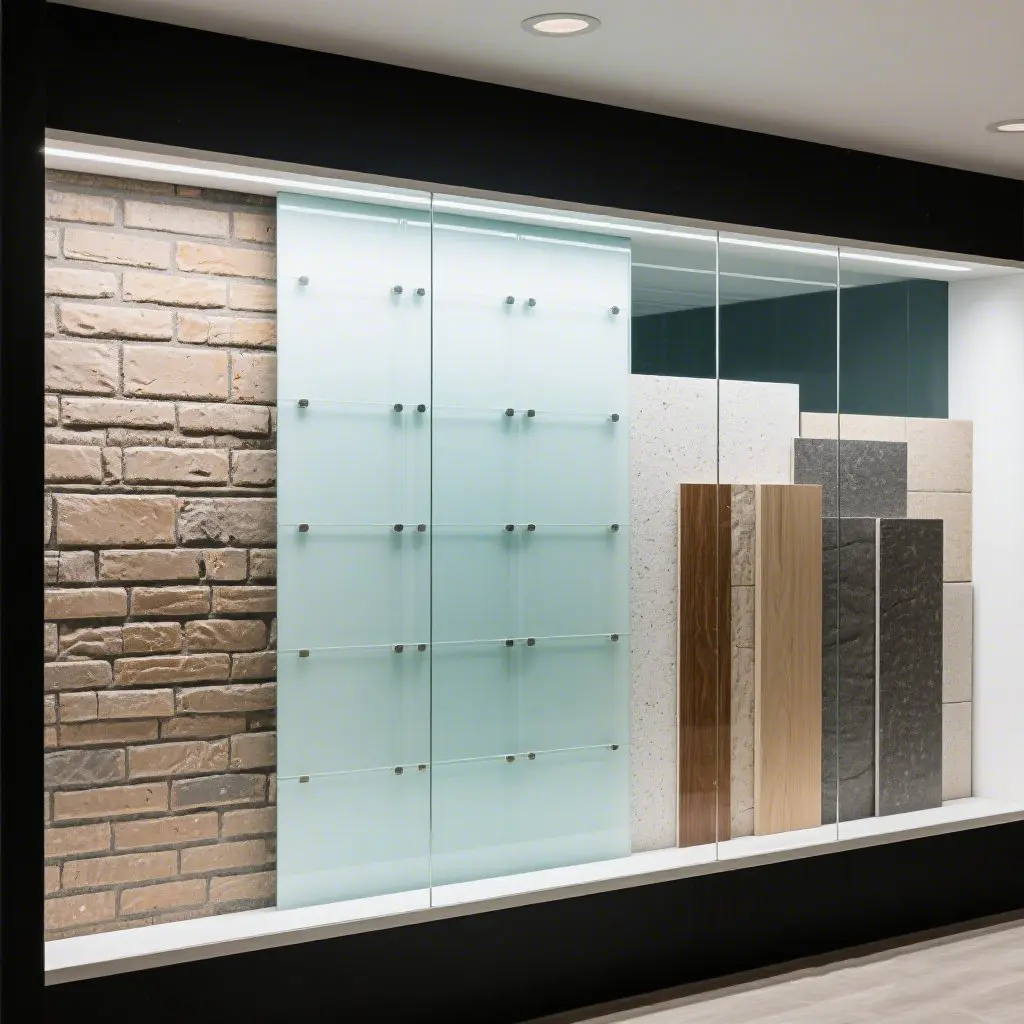
Each frame material offers distinct advantages. Vinyl remains the most cost‑effective, with low maintenance and a U‑value of 0.30 BTU/hr·ft²·°F, according to ENERGY STAR 2026 data. Aluminum provides superior strength for large spans, especially when combined with a thermal break, reducing thermal bridging by up to 45%.
Table of Contents
- Why Sliding Patio Doors Are the Smart Choice in 2026
- Choosing the Right Material and Glass Options
- Frame Materials: Vinyl, Aluminum, Wood, and Fiberglass
- Glass Technologies: Low‑E, Triple Glazing, and Smart Glass
- Installation Essentials: From Prep to Perfect Alignment
- Smart‑Home Integration and Modern Hardware
- Cost Considerations and Return on Investment
- Common Pitfalls and How to Avoid Them
- Real‑World Case Study: From Outdated Swing Door to Modern Sliding Solution
- Future Trends: What to Expect for Sliding Patio Doors in the Next Five Years
- FAQs – Quick Answers to Common Questions
- What is the typical lifespan of a sliding patio door?
- Do sliding patio doors require special cleaning?
- Can I retrofit an existing opening with a sliding system?
- Are sliding doors safe for families with children?
- How do I improve the security of my sliding patio door?
- Final Thoughts
If you prefer a natural look, engineered wood frames—often clad in aluminum for weather resistance—deliver the warmth of timber while meeting the same performance standards as fiberglass. Fiberglass frames excel in extreme climates, resisting warping and offering a consistent R‑value across temperature fluctuations.
Glass Technologies: Low‑E, Triple Glazing, and Smart Glass
Low‑emissivity (Low‑E) coatings reflect infrared heat while allowing visible light, improving seasonal performance. Triple‑glazed units, now standard in high‑performance homes, provide a U‑value as low as 0.18 BTU/hr·ft²·°F. For tech‑savvy owners, switchable smart glass can transition from transparent to opaque at the touch of a button, offering privacy without additional blinds.
Installation Essentials: From Prep to Perfect Alignment
Successful installation hinges on precise measurements, proper flashing, and secure anchoring. Below is a step‑by‑step checklist that aligns with the International Residential Code (IRC) 2025 edition:
- Site assessment: Verify structural opening dimensions and ensure load‑bearing walls are reinforced.
- Weatherproofing: Apply self‑adhered flashing tape and a continuous sill pan to prevent water infiltration.
- Frame placement: Use a laser level to align the top track; tolerances should not exceed ±1/8 in.
- Hardware installation: Fit rollers, guides, and the multi‑point lock according to manufacturer torque specifications.
- Seal and finish: Apply silicone caulk at all seams and install interior trim for a seamless look.
Professional installers often reference our Hardie Board Siding 2026: Ultimate Guide for best practices in integrating siding systems with sliding patio doors, ensuring consistent weather resistance across the façade.
Smart‑Home Integration and Modern Hardware
Today’s sliding patio doors can be part of a connected home ecosystem. Motorized operators, compatible with Alexa, Google Home, or Apple HomeKit, allow remote opening and closing via voice commands or smartphone apps. Integrated sensors can trigger automatic ventilation when indoor CO₂ levels exceed 800 ppm, improving indoor air quality without manual intervention.
When selecting hardware, prioritize:
- Quiet, low‑profile rollers to minimize noise.
- Adjustable balance springs for smooth operation across varying door widths.
- UV‑protected control panels to prevent fading from sun exposure.
Cost Considerations and Return on Investment
In 2026, the average installed cost for a high‑end sliding patio door system ranges from $4,200 to $9,500, based on the Home Improvement Research Institute (HIRI). While the upfront expense may seem significant, a study by the University of Michigan’s Energy Lab found that homes with energy‑efficient sliding doors recoup 55% of the investment within five years through reduced utility bills.
Financing options such as energy‑efficiency rebates from local utility providers can offset up to 30% of the total cost. Always check your municipality’s “green building” incentive program before finalizing the purchase.
Common Pitfalls and How to Avoid Them
Even seasoned homeowners can stumble during the selection or installation phase. Here are the most frequent mistakes and corrective strategies:
| Issue | Impact | Solution |
|---|---|---|
| Improper flashing | Water leaks, mold growth | Use self‑adhered tape and double‑check overlaps per WBDG guidelines. |
| Undersized hardware | Premature wear, door sagging | Match roller weight rating to door dimensions; upgrade to stainless steel for coastal climates. |
| Low‑quality glass | Higher energy loss, breakage risk | Insist on Low‑E, tempered or laminated glass with certified U‑value. |
| Neglecting thermal break | Cold spots, condensation | Choose frames with built‑in thermal breaks, especially for aluminum. |
Real‑World Case Study: From Outdated Swing Door to Modern Sliding Solution
In a recent remodel in Austin, Texas, a 2,800 sq ft home replaced a dated 30‑year‑old hinged patio door with a 12‑foot triple‑glazed sliding system. The homeowner reported a 13% reduction in HVAC energy consumption within six months, verified by the utility’s smart‑meter analytics. Additionally, the open‑plan living area felt 20% larger, a subjective improvement measured via post‑occupancy surveys conducted by the Texas A&M Architecture Department.
The project leveraged Vinyl Siding 2026: Complete Guide to select compatible siding that matched the door’s color palette, ensuring a cohesive exterior aesthetic.
Future Trends: What to Expect for Sliding Patio Doors in the Next Five Years
Looking ahead, the industry is moving toward greater integration of sustainability and technology. Anticipated developments include:
- Zero‑U value glazing: Emerging vacuum‑insulated panels promise near‑perfect thermal performance.
- Biophilic design: Larger glass panels with integrated planters create indoor‑outdoor ecosystems.
- AI‑driven climate control: Doors equipped with predictive algorithms will pre‑emptively adjust ventilation based on weather forecasts.
- Recyclable composite frames: New bio‑based composites aim for a 70% carbon‑footprint reduction compared to traditional aluminum.
Staying informed about these innovations can help you future‑proof your investment and maintain top‑tier energy performance.
FAQs – Quick Answers to Common Questions
What is the typical lifespan of a sliding patio door?
With proper maintenance, high‑quality frames and glass can last 25–30 years. Vinyl and fiberglass are especially durable, while aluminum may require repainting in coastal environments.
Do sliding patio doors require special cleaning?
Use a non‑abrasive glass cleaner and a soft microfiber cloth. For the tracks, a vacuum with a brush attachment followed by a silicone‑based lubricant will keep rollers moving smoothly.
Can I retrofit an existing opening with a sliding system?
Yes, provided the opening meets structural requirements. Reinforcement of the header and proper flashing are essential to prevent sagging and water intrusion.
Are sliding doors safe for families with children?
Modern models feature child‑safety locks and anti‑pinch rollers. Look for doors certified under the Consumer Product Safety Commission (CPSC) standards for added peace of mind.
How do I improve the security of my sliding patio door?
Install a reinforced multi‑point locking system, use laminated or tempered glass, and consider adding a security sensor that integrates with your home alarm system.
Final Thoughts
Sliding patio doors are more than a stylish upgrade—they’re a functional investment that enhances energy performance, security, and overall livability. By carefully selecting the right frame material, glass type, and hardware, and by following best‑practice installation methods, you can enjoy a seamless indoor‑outdoor experience for decades to come. Keep an eye on emerging technologies, stay updated with industry guidelines, and don’t hesitate to consult professionals when needed; the payoff is a home that feels larger, brighter, and more connected to the world outside.
