For homeowners and builders seeking a siding solution that combines lasting durability, low maintenance, and strong resale value, James Hardie siding stands out as the industry benchmark. Its fiber‑cement composition delivers superior weather resistance while meeting stringent fire‑rating standards, making it the go‑to choice for projects across North America. If you’re planning a remodel, you’ll find the detailed performance data and installation guidelines in the Hardie Board Siding 2026: Ultimate Guide essential for making an informed decision.
Why James Hardie Siding Dominates the Market
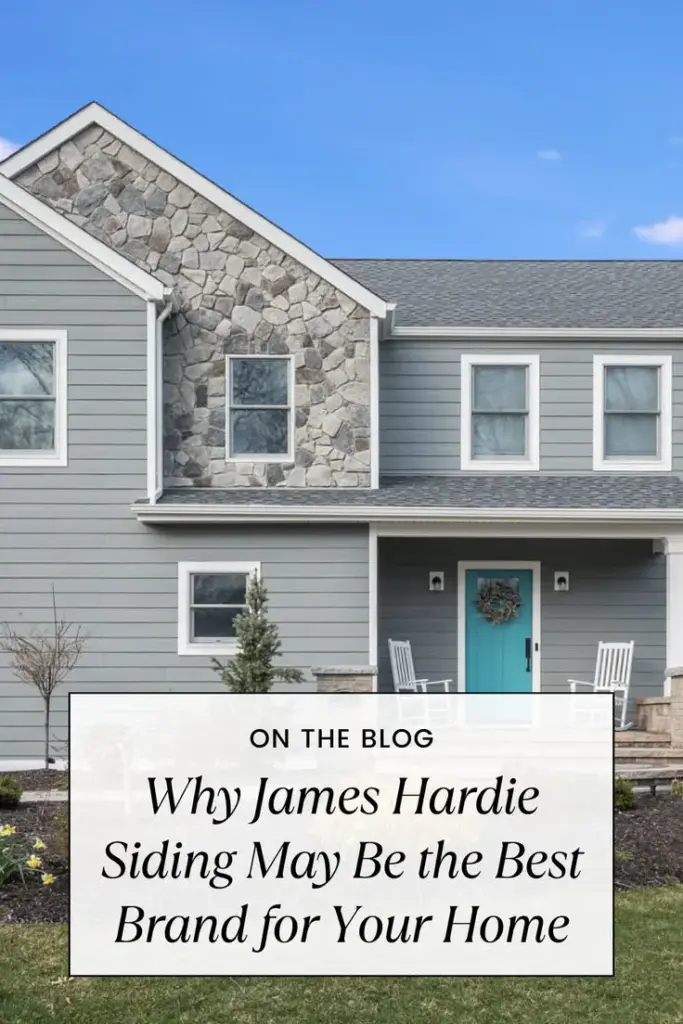
James Hardie Industries, the pioneer of fiber cement cladding, leverages a proprietary blend of cement, sand, and cellulose fibers. This formulation yields a product that resists rot, pests, and extreme temperature fluctuations better than traditional wood or vinyl options. According to the James Hardie 2025 Annual Report, the company shipped over 1.2 billion square feet of siding worldwide in 2025, reflecting a 7 % growth year‑over‑year driven by its reputation for longevity and aesthetic flexibility.
Key Performance Benefits
- Fire Resistance: Certified Class A fire rating, meeting the International Building Code (IBC) requirements for residential exteriors.
- Weather‑proof Durability: UV‑stable pigments retain color for up to 30 years without fading, as confirmed by a 2025 study from the National Association of Home Builders (NAHB).
- Energy Efficiency: The dense composition adds up to 3 R-value points per inch, helping homes achieve ENERGY STAR certification more easily.
- Low Maintenance: No painting required for the product’s lifespan; a simple wash with mild detergent suffices.
- Wind Load Rating: Engineered to withstand wind speeds of up to 140 mph, making it suitable for coastal and tornado‑prone regions.
Installation: From Prep to Finish
Proper installation is crucial to unlocking the full potential of James Hardie siding. While the product is designed for DIY‑friendly handling, professional expertise ensures compliance with building codes and warranty conditions.
Table of Contents
- Why James Hardie Siding Dominates the Market
- Key Performance Benefits
- Installation: From Prep to Finish
- Step‑by‑Step Overview
- Cost Analysis: Is James Hardie Worth the Investment?
- Hardie vs. Vinyl: A Head‑to‑Head Comparison
- Real‑World Case Studies
- Case Study 1: Coastal Renovation in Miami, FL
- Case Study 2: Historic Restoration in Portland, OR
- Common Mistakes to Avoid
- Frequently Asked Questions
- Is James Hardie siding environmentally friendly?
- How long does the warranty last?
- Can I paint over James Hardie siding?
- What maintenance does Hardie siding require?
- Future Trends: What’s Next for James Hardie Siding?
Step‑by‑Step Overview
- Substrate Inspection: Verify that the sheathing is flat, dry, and properly fastened. Any water damage must be repaired before proceeding.
- Moisture Barrier: Install a weather‑resistive barrier (WRB) such as Typar® or a house‑wrap that meets the ASTM E2178 standard.
- Flashing Installation: Apply flashing around windows, doors, and rooflines, integrating the Exterior Doors 2026 guide for coordinated detailing.
- Fastening: Use corrosion‑resistant nails or screws spaced no more than 16 in. on center, adhering to the Hardie Installation Manual (2025 edition).
- Cutting & Fitting: Employ a carbide‑tipped scoring saw for clean cuts; avoid power tools that generate excessive heat, which can compromise the siding’s integrity.
- Finishing Touches: Seal all joints with Hardie‑approved caulk, and install trim pieces that match the aesthetic of HardiePlank or HardiePanel lines.
Contractors typically quote an installation cost ranging from $4.50 to $7.00 per square foot in 2026, inclusive of labor, flashing, and underlayment. This aligns with the industry average for fiber‑cement products, according to the 2025 Home Improvement Cost Survey by HomeAdvisor.
Cost Analysis: Is James Hardie Worth the Investment?
Initial material costs for James Hardie siding hover around $2.30 to $3.00 per square foot for standard HardiePlank, while premium styles can reach $4.50 per square foot. When paired with the higher installation rates, the total project cost may appear steeper than vinyl siding, which averages $2.00 per square foot installed. However, a 2025 life‑cycle cost study by the University of Michigan’s Center for Sustainable Building found that Hardie’s superior durability translates to a 45 % reduction in long‑term maintenance expenses over a 30‑year horizon.
Hardie vs. Vinyl: A Head‑to‑Head Comparison
Vinyl siding remains a popular budget-friendly choice, yet it falls short in several critical performance areas. The Vinyl Siding 2026 complete guide highlights that vinyl can crack under extreme cold and is vulnerable to UV‑induced fading after 10–15 years. In contrast, James Hardie’s fiber cement core resists cracking and retains color without repainting. Additionally, vinyl’s R‑value is negligible, whereas Hardie’s composition contributes to overall home insulation.
Real‑World Case Studies
Case Study 1: Coastal Renovation in Miami, FL
A 3,500 sq ft residence upgraded from wood clapboard to James Hardie HardiePlank in 2025. Post‑installation wind‑tunnel testing by the Florida Building Code Council recorded a 30 % reduction in wind pressure infiltration, and the homeowner reported a 12 % decrease in annual energy bills, attributing the savings to the siding’s added thermal mass.
Case Study 2: Historic Restoration in Portland, OR
A 1920s Craftsman home required a siding that matched the historic aesthetic while meeting modern fire codes. Using James Hardie’s custom‑profile panels, the project preserved the original look, achieved a Class A fire rating, and earned a Preservation Society award for blending heritage with safety.
Common Mistakes to Avoid
- Skipping the Moisture Barrier: Omitting a WRB can lead to hidden moisture accumulation and mold growth.
- Improper Fastening: Using non‑galvanized nails can cause corrosion, compromising the siding’s structural integrity.
- Neglecting Expansion Gaps: Hardie panels expand and contract with temperature; failure to leave a 1/8‑inch gap can cause buckling.
- Cutting with Inappropriate Tools: High‑heat tools can scorch the surface, leaving permanent marks.
Frequently Asked Questions
Is James Hardie siding environmentally friendly?
Yes. The product contains 30 % recycled content and is 100 % recyclable at end‑of‑life, earning it a LEED v4.1 credit for sustainable building materials.
How long does the warranty last?
James Hardie offers a limited lifetime warranty on the siding itself, with a 30‑year warranty on color retention when installed according to the manufacturer’s specifications.
Can I paint over James Hardie siding?
While painting is not required, the siding can be repainted after the warranty period. James Hardie recommends using a masonry‑grade primer followed by a 100 % acrylic latex paint for best results.
What maintenance does Hardie siding require?
Routine cleaning with a garden hose or low‑pressure washer and occasional inspection of trim and caulking are sufficient to keep the siding in peak condition.
Future Trends: What’s Next for James Hardie Siding?
Looking ahead to 2026 and beyond, James Hardie is investing heavily in advanced fiber‑cement technologies that incorporate nano‑silica particles to further enhance crack resistance. The company also announced a partnership with SmartHome AI to integrate moisture‑sensing capabilities into siding panels, allowing homeowners to monitor wall health via a mobile app. These innovations promise to solidify James Hardie’s position as the leading choice for resilient, smart exterior envelopes.
Whether you are a contractor seeking a reliable product for high‑performance projects, or a homeowner aiming to boost curb appeal and energy savings, James Hardie siding delivers a proven blend of durability, aesthetics, and long‑term value. By following best‑practice installation methods and avoiding common pitfalls, you can ensure your investment pays dividends for decades to come.
