Choosing the right exterior doors is the single most impactful decision you can make to boost curb appeal, improve energy efficiency, and enhance home security—all at once. Modern door manufacturers now combine advanced materials, precision engineering, and smart hardware, making it easier than ever to find a solution that fits both aesthetic preferences and performance standards. For a seamless exterior envelope, pair your door selection with the latest trends in Vinyl Siding 2026, where durability and style converge.
Why Exterior Doors Matter: Core Benefits in 2026
Exterior doors are more than entry points; they serve as a barrier against weather, a line of defense against intruders, and a visual statement of your home’s character. Below are the primary reasons homeowners and designers prioritize door upgrades:
- Energy savings: The U.S. Department of Energy reports that high‑performance doors can cut heating and cooling expenses by 10‑15% compared to standard models (DOE, 2025).
- Security enhancement: Multi‑point locking systems and reinforced frames reduce forced‑entry risk by up to 40% (National Home Security Association, 2025).
- Curb appeal & resale value: A survey by the National Association of Home Builders (NAHB, 2026) found that 68% of buyers consider the front entry door a decisive factor when evaluating a property.
- Weather resistance: Modern weather‑resistant doors can withstand wind speeds of 120 mph and prevent water infiltration, crucial in regions prone to storms.
Key Materials and Their Performance Profiles
Fiberglass
Fiberglass doors combine the strength of steel with the aesthetic flexibility of wood. They resist warping, are low‑maintenance, and can be painted or stained to match any design palette. According to a 2025 study by the Wood Products Council, fiberglass doors maintain their R‑value (thermal resistance) at an average of R‑4.5, outperforming traditional wood.
Table of Contents
- Why Exterior Doors Matter: Core Benefits in 2026
- Key Materials and Their Performance Profiles
- Fiberglass
- Steel
- Wood
- Vinyl
- Design Trends Shaping Exterior Doors in 2026
- Choosing the Right Door for Your Home: A Step‑by‑Step Guide
- 1. Assess Climate & Energy Requirements
- 2. Determine Security Features
- 3. Match Architectural Style
- 4. Evaluate Hardware Compatibility
- 5. Plan for Proper Installation
- Common Mistakes and How to Avoid Them
- Installation Tips for DIY Enthusiasts
- Future Outlook: What to Expect for Exterior Doors Beyond 2026
- FAQ – Quick Answers to Common Queries
- What is the ideal R‑value for exterior doors in a cold climate?
- Can I retrofit a smart lock onto an existing wooden door?
- How often should exterior doors be resealed?
- Do I need a fire‑rated exterior door?
- Is vinyl a good choice for a high‑security entry?
- Conclusion: Making an Informed Decision
Steel
Steel remains the most cost‑effective option for high‑traffic homes. Advances in coating technology now offer rust‑free finishes that last over 25 years. However, steel conducts heat, so it’s essential to pair it with an insulated core—commonly a polyurethane foam that boosts the overall R‑value to R‑5.0 (Steel Door Institute, 2026).
Wood
For those seeking classic elegance, wood doors—especially mahogany, oak, and walnut—provide unmatched grain patterns. Modern treatments, such as UV‑cured finishes, protect against UV degradation while preserving natural beauty. A 2025 report from the Forest Stewardship Council notes that sustainably sourced wood doors have a lower carbon footprint than steel when lifecycle emissions are considered.
Vinyl
Vinyl doors have surged in popularity due to their affordability and resistance to moisture. The latest 2026 vinyl composites incorporate reinforced frames that achieve an R‑value of R‑5.2, rivaling fiberglass. For installation insights, see our complete guide on vinyl siding, which covers complementary sealing techniques.
Design Trends Shaping Exterior Doors in 2026
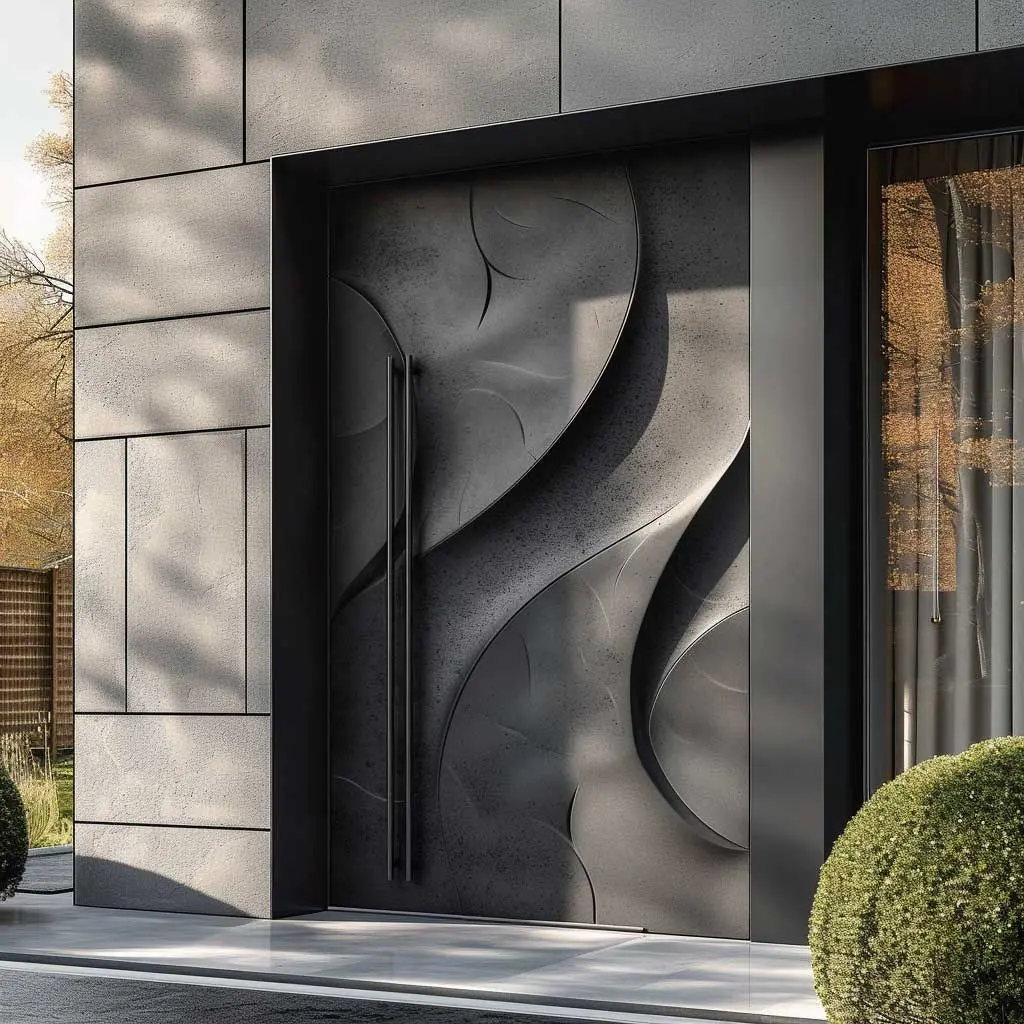
Designers are moving beyond traditional panels, embracing bold statements that reflect lifestyle and sustainability:
- Black and matte finishes: These create a contemporary, high‑contrast look that pairs well with light‑colored siding.
- Full‑height glass panels: Energy‑efficient glazing now offers U‑values as low as 0.30, delivering natural light without sacrificing insulation.
- Custom hardware: Smart locks, biometric access, and sleek lever handles are becoming standard, blending convenience with security.
- Hybrid materials: Composite doors that mix wood veneers with aluminum or steel frames provide the warmth of wood with the durability of metal.
Choosing the Right Door for Your Home: A Step‑by‑Step Guide
Follow this practical checklist to ensure you select an exterior door that meets performance, aesthetic, and budget requirements.
1. Assess Climate & Energy Requirements
In colder regions, prioritize doors with a high R‑value and insulated cores. The Energy Star program (2025) recommends a minimum of R‑4.0 for doors in zones 5‑7. In hot, humid climates, look for low‑U‑value glazing and moisture‑resistant frames.
2. Determine Security Features
Opt for doors with reinforced steel or solid wood cores, multi‑point locking mechanisms, and impact‑rated glazing. According to the Home Security Council, doors with a minimum of three locking points reduce break‑in probability by 38%.
3. Match Architectural Style
Modern homes benefit from sleek, minimalistic panels, while historic properties may require craftsman‑style mullions or arched transoms. Use visual references from Vinyl Siding 2026 to see how siding and door styles complement each other.
4. Evaluate Hardware Compatibility
Hardware should align with the door’s material and finish. Stainless steel hinges and handles resist corrosion, while brass adds a traditional touch. Smart locks must be compatible with your home automation ecosystem (e.g., Apple HomeKit, Google Nest).
5. Plan for Proper Installation
Improper installation can nullify a door’s energy and security benefits. Ensure the rough opening is square, the threshold is sealed, and shims are used to maintain level alignment. The American Architectural Manufacturers Association (AAMA) provides detailed installation standards that most professional installers follow.
Common Mistakes and How to Avoid Them
- Skipping the weatherstripping: Even high‑performance doors leak air without proper sealing. Use silicone‑based weatherstripping for durability.
- Choosing the cheapest hardware: Low‑grade hinges can sag under the door’s weight, leading to misalignment and premature wear.
- Neglecting the threshold: A mismatched or poorly sealed threshold invites water ingress, especially during heavy rain.
- Ignoring local building codes: Many jurisdictions require fire‑rated doors in certain applications; verify compliance before purchase.
Installation Tips for DIY Enthusiasts
While many homeowners hire professionals, a well‑prepared DIY approach can save up to 30% on labor costs. Follow these best practices:
- Gather tools: level, shims, drill, impact driver, silicone caulk, and a pry bar.
- Remove the old door, taking note of the hinge placement for reuse if compatible.
- Install a new sill pan, ensuring a slope of at least 1/4″ toward the exterior for water runoff.
- Set the door frame in the opening, use shims to achieve plumb and level, then fasten with corrosion‑resistant screws.
- Attach weatherstripping and seal all gaps with high‑performance caulk.
- Install hardware, test the lock mechanism, and adjust as needed for smooth operation.
Future Outlook: What to Expect for Exterior Doors Beyond 2026
Innovation continues at a rapid pace. Emerging trends include:
- Integrated solar panels: Transparent photovoltaic glass is being tested for low‑profile doors, providing supplemental energy for smart locks.
- Adaptive insulation: Phase‑change materials embedded in door cores will dynamically regulate temperature, improving comfort without additional HVAC load.
- AI‑driven security: Door sensors that learn usage patterns and alert homeowners to abnormal activity are expected to become mainstream by 2028.
FAQ – Quick Answers to Common Queries
What is the ideal R‑value for exterior doors in a cold climate?
For zones 5‑7, aim for an R‑value of at least 4.0, per Energy Star 2025 guidelines.
Can I retrofit a smart lock onto an existing wooden door?
Yes, most smart locks are designed for standard mortise or deadbolt preparations. Ensure the door’s thickness (typically 1¾”) matches the lock’s specifications.
How often should exterior doors be resealed?
Professional sealing is recommended every 3‑5 years, or sooner if you notice drafts or water leakage.
Do I need a fire‑rated exterior door?
Fire‑rated doors are required for detached garages and certain multi‑family units. Check local building codes for exact requirements.
Is vinyl a good choice for a high‑security entry?
Vinyl provides excellent moisture resistance but generally lacks the structural strength of steel or solid wood. Pair vinyl with reinforced steel frames and a high‑grade lock for better security.
Conclusion: Making an Informed Decision
Exterior doors sit at the intersection of aesthetics, performance, and safety. By understanding material properties, energy metrics, and emerging design trends, you can select a door that not only elevates your home’s visual appeal but also delivers measurable cost savings and peace of mind. Remember to align your choice with local climate demands, security expectations, and the overall architectural language of your residence. When installed correctly—preferably following AAMA standards—and paired with complementary siding solutions, such as those outlined in the Vinyl Siding 2026 guide, your exterior envelope will stand resilient for decades to come.
